Features
All your movement data, in a single record.
Every measurement joins the person's follow-up, alongside the assessment and the programme. It does not decide for you: it informs your expertise.
Measure
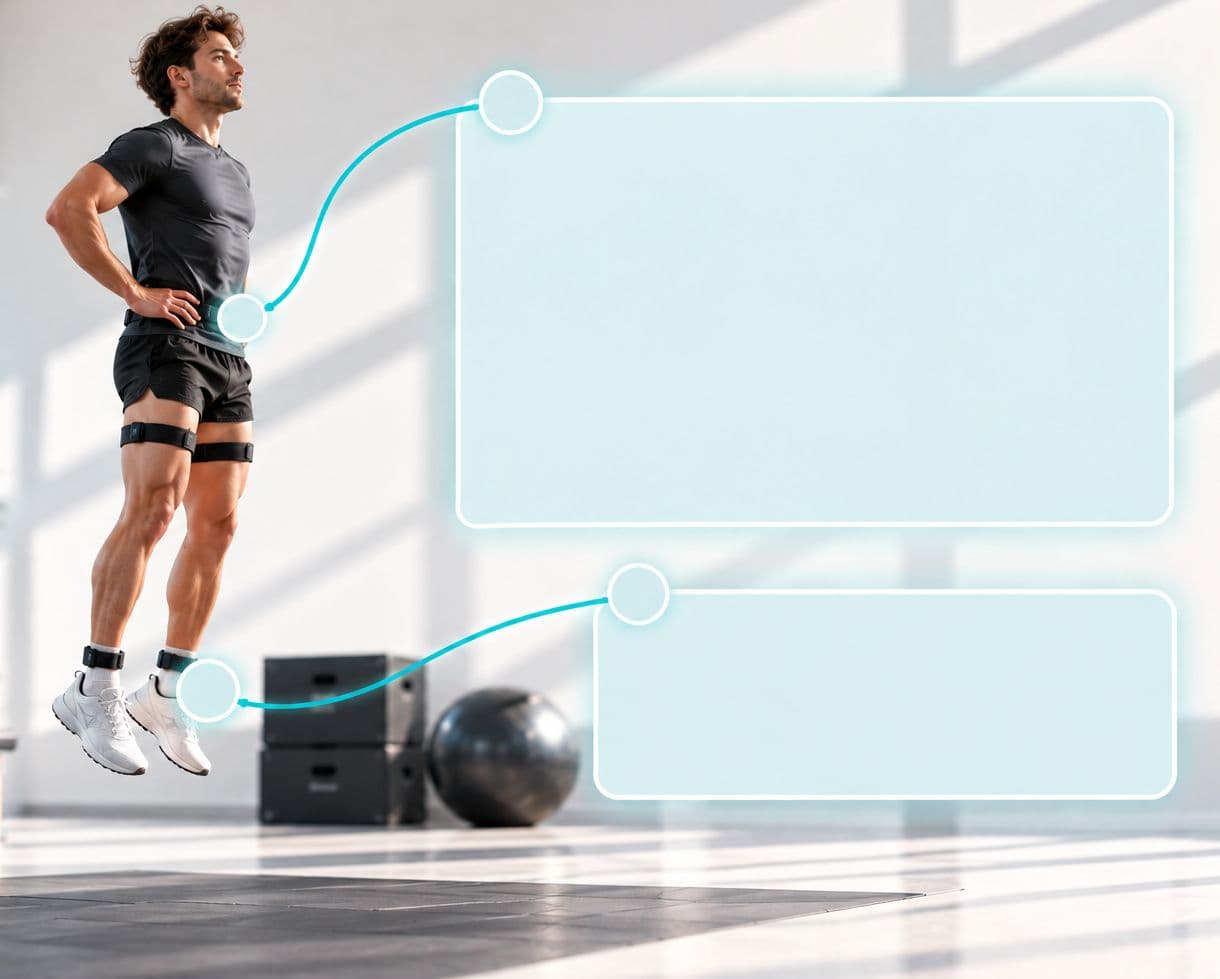 Jump height31.4 cmFlight time · 506 msLRCountermvtPropulsionFlightLandingPush-off · knee extension
What height doesn't tell you.
The sensors describe how each leg pushes, extends and absorbs, not just how high it jumps. Both sides are always shown side by side, leg by leg.
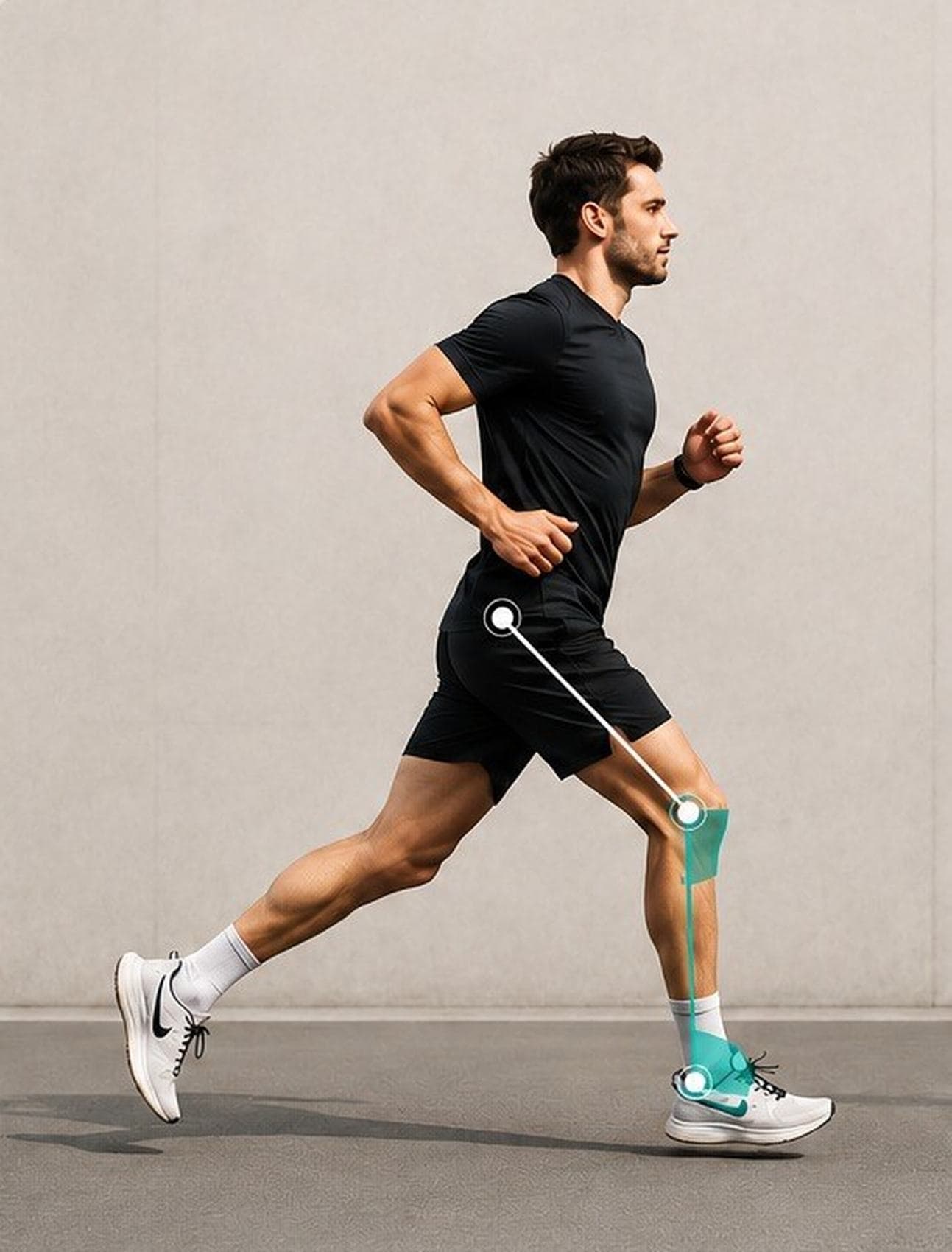
From treadmill to field.
The stride in real conditions: foot strike, pronation, leg stiffness, and how they change during the effort. Indicators you can compare from one session to the next.
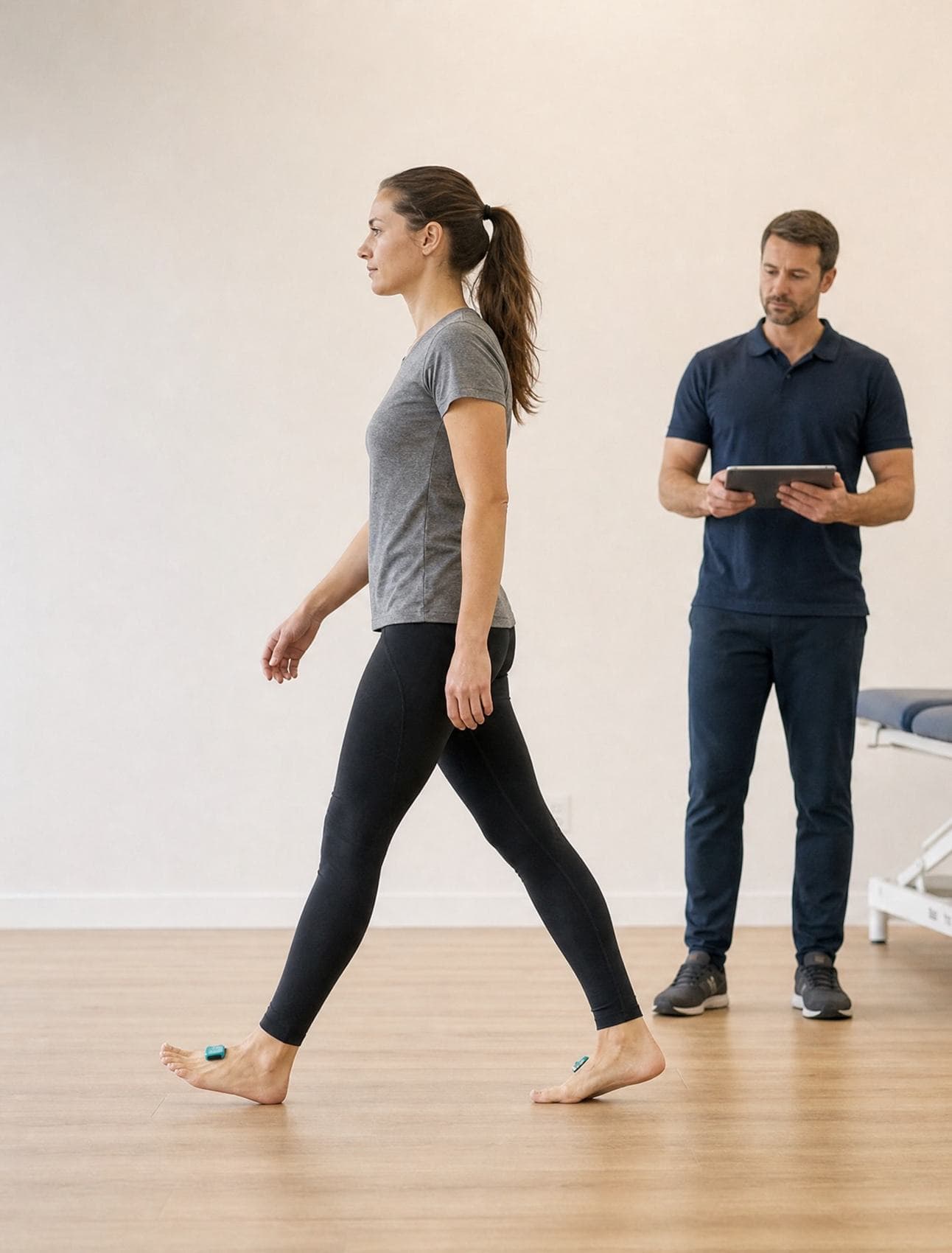
Every step, measured.
One sensor on each foot: strides are detected automatically and every step is read on both sides. Enough to objectify a limp or an asymmetry, and follow recovery session after session.
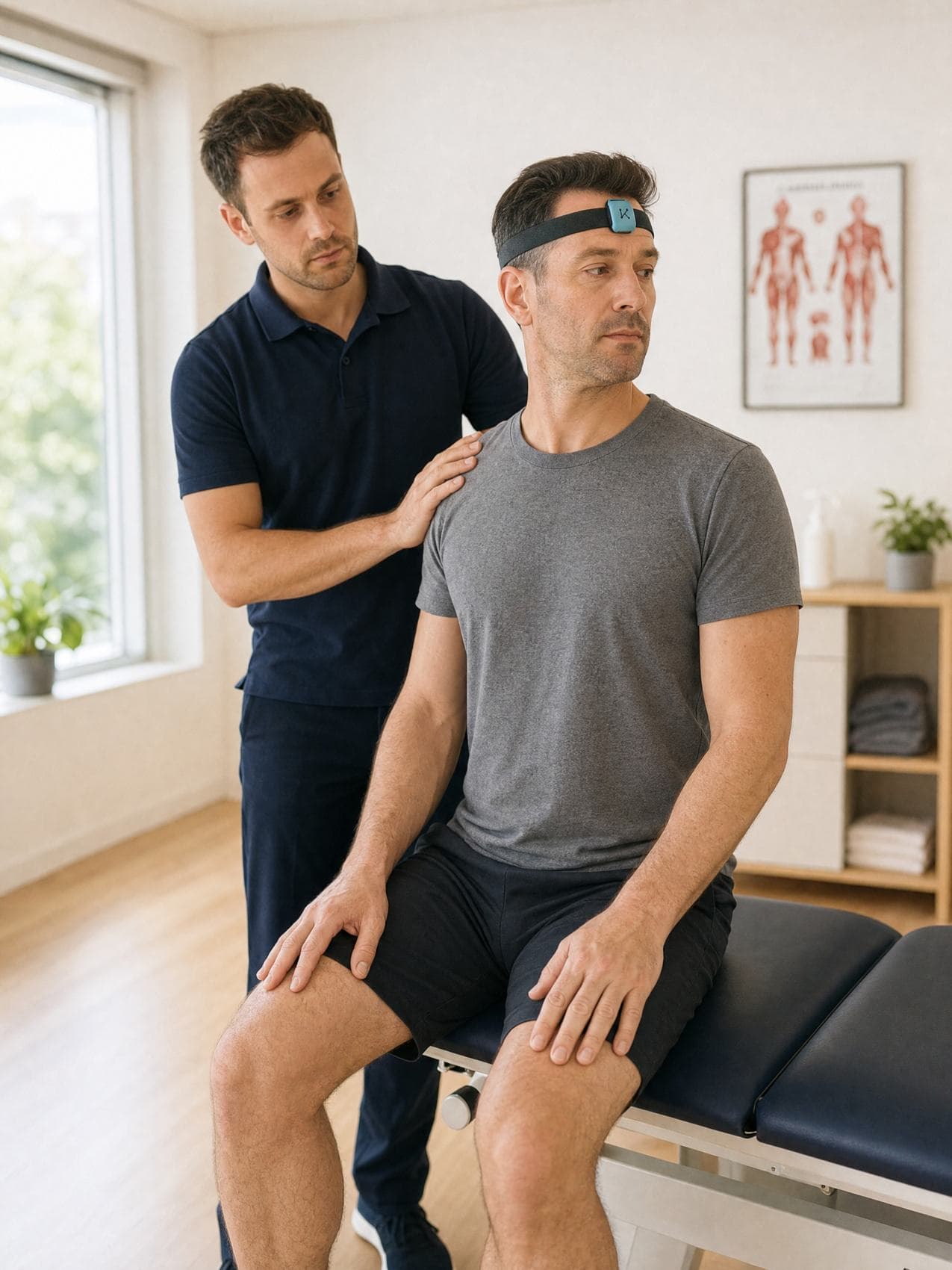
Accurate range, tracked over time.
Sensors on either side of the joint give the angle in real time. Compensations from the neighbouring segment are revealed; the deficit and its recovery become numbers.
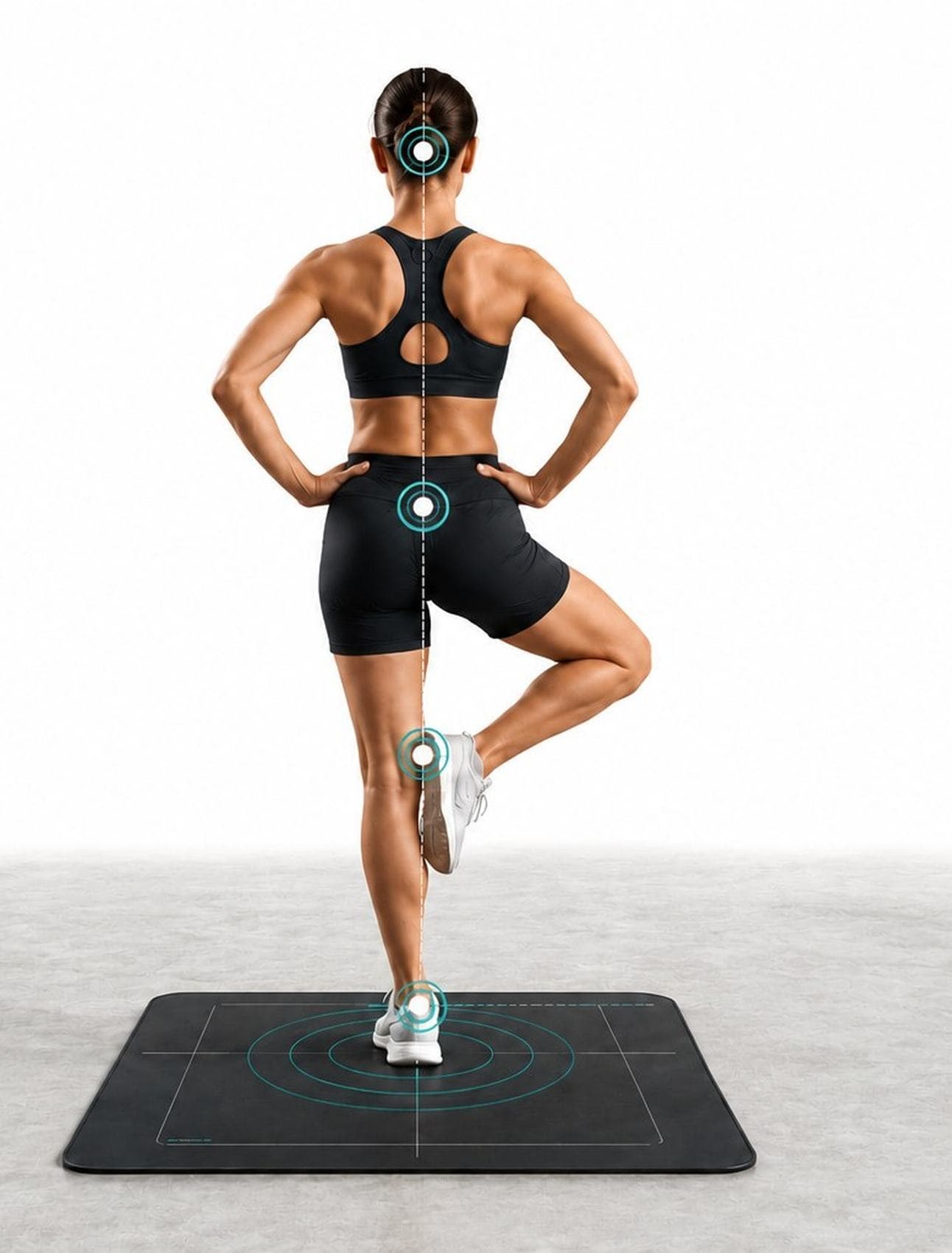
Weight-bearing control, no force plate.
One sensor on the pelvis is enough. Standing or on one leg, eyes open or closed: postural control and weight distribution, measured and tracked.
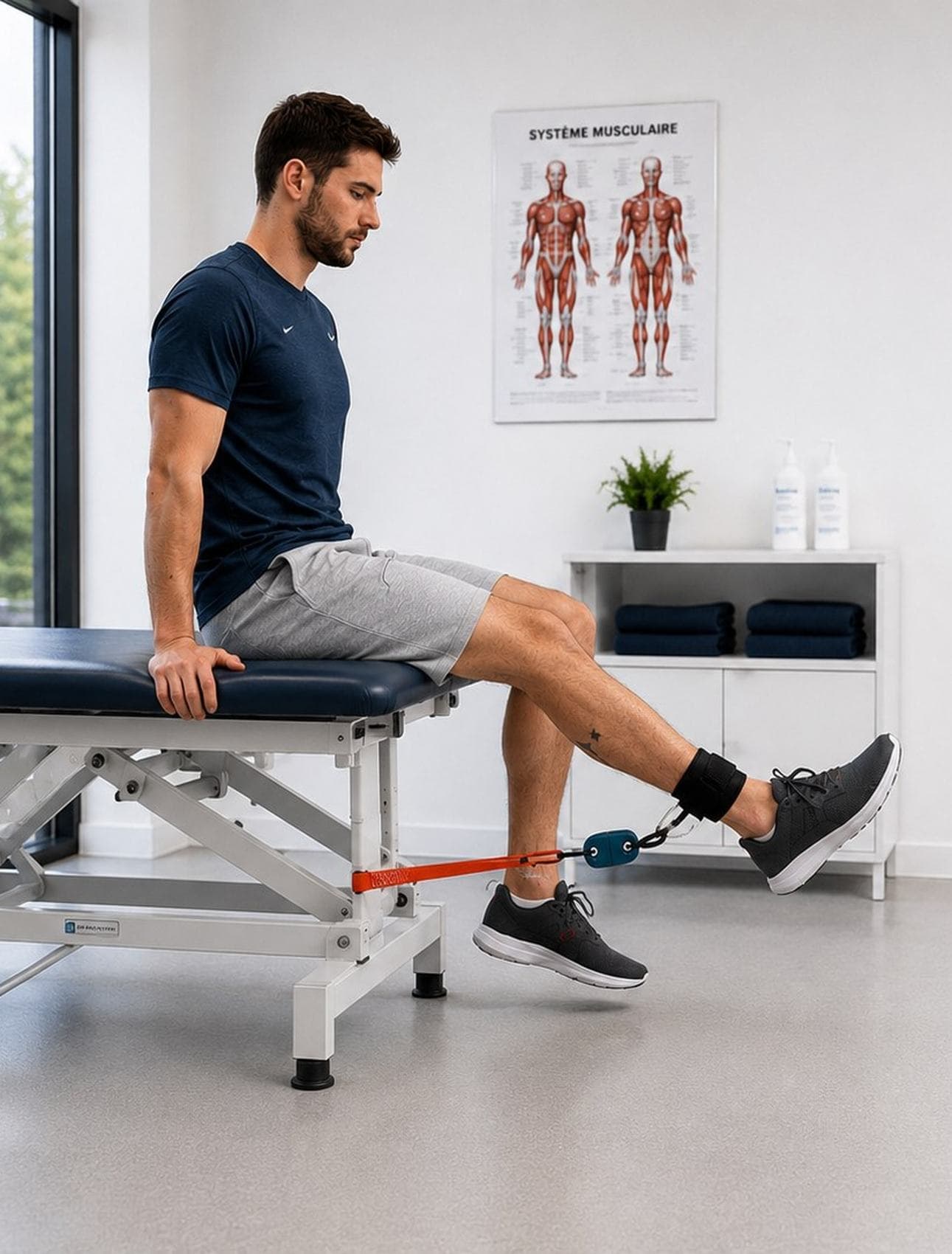
 Kinvent
Your strength data, in the same record.
Launch a test from iKinesis: results flow into the record automatically, with no double entry, and are tracked over time with everything else.
Assess with iKo
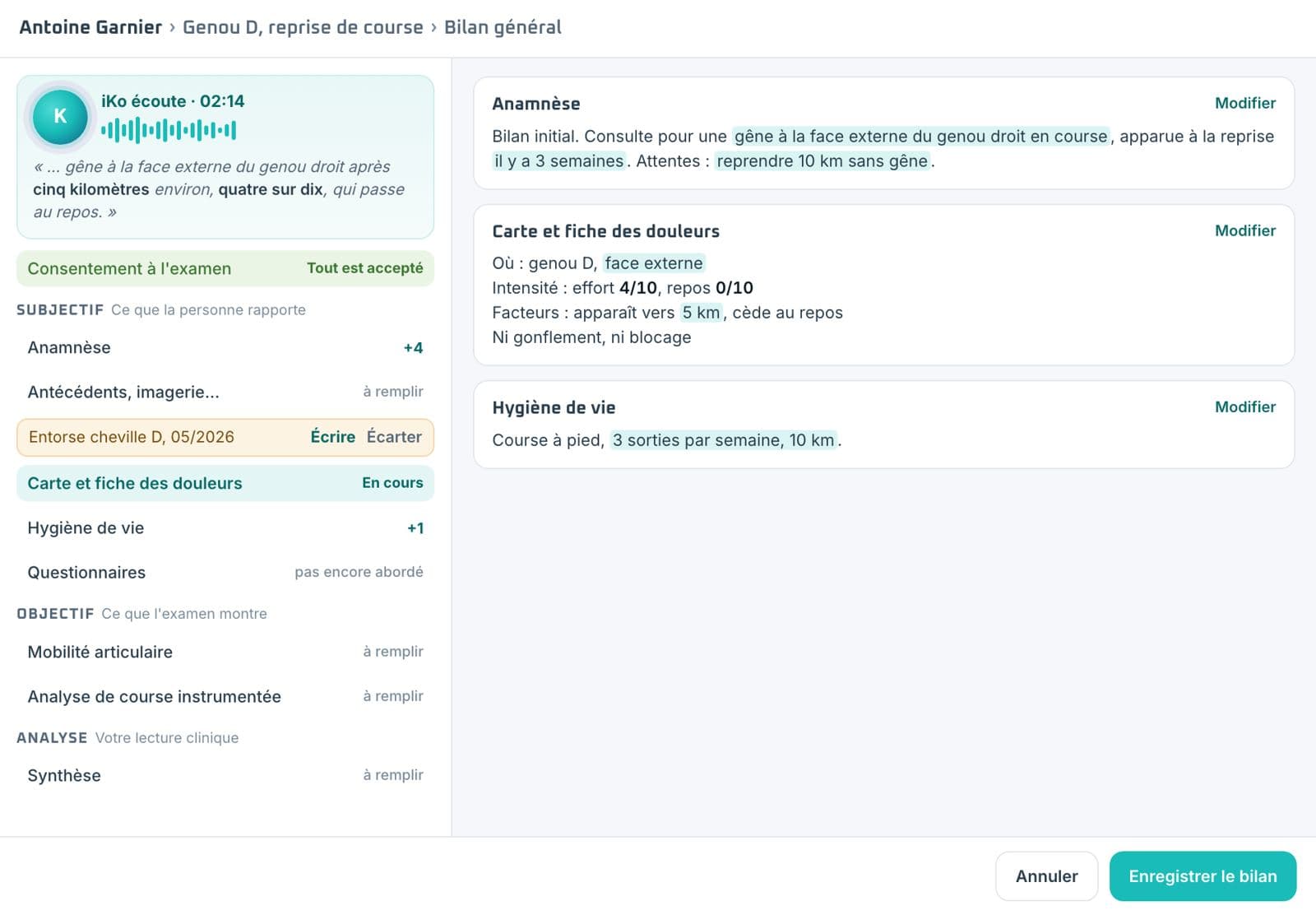
You talk, the assessment writes itself.
An assessment sheet, from history to tests and validated questionnaires. iKo files what is said during the consultation and flags what needs your attention. When in doubt, iKo suggests: you decide.
Track and share
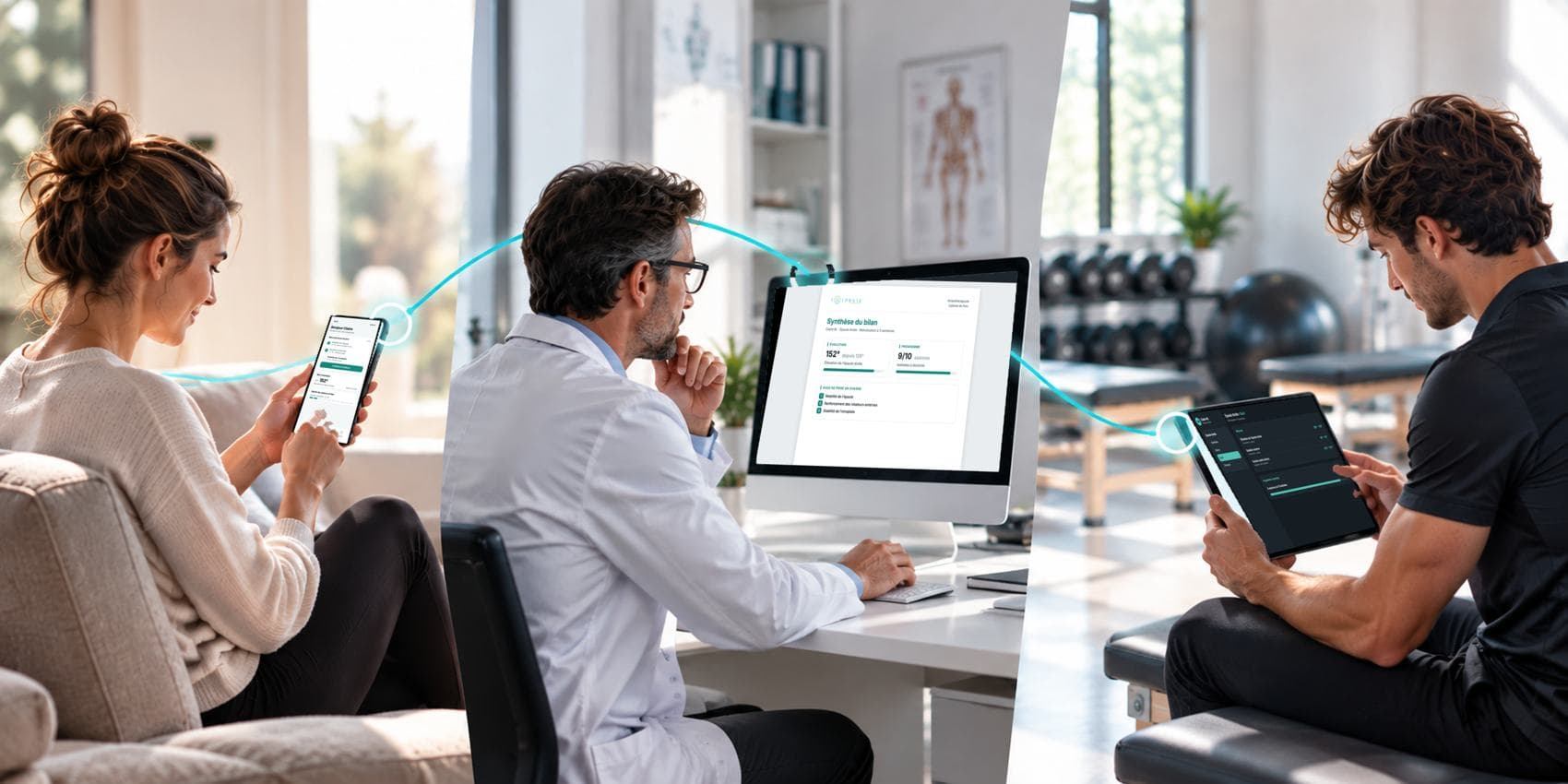
Progress you can see.
Each assessment is compared with the previous one and summarised in a report that patients and physicians can both read. You show your work without having to rebuild it.
Support
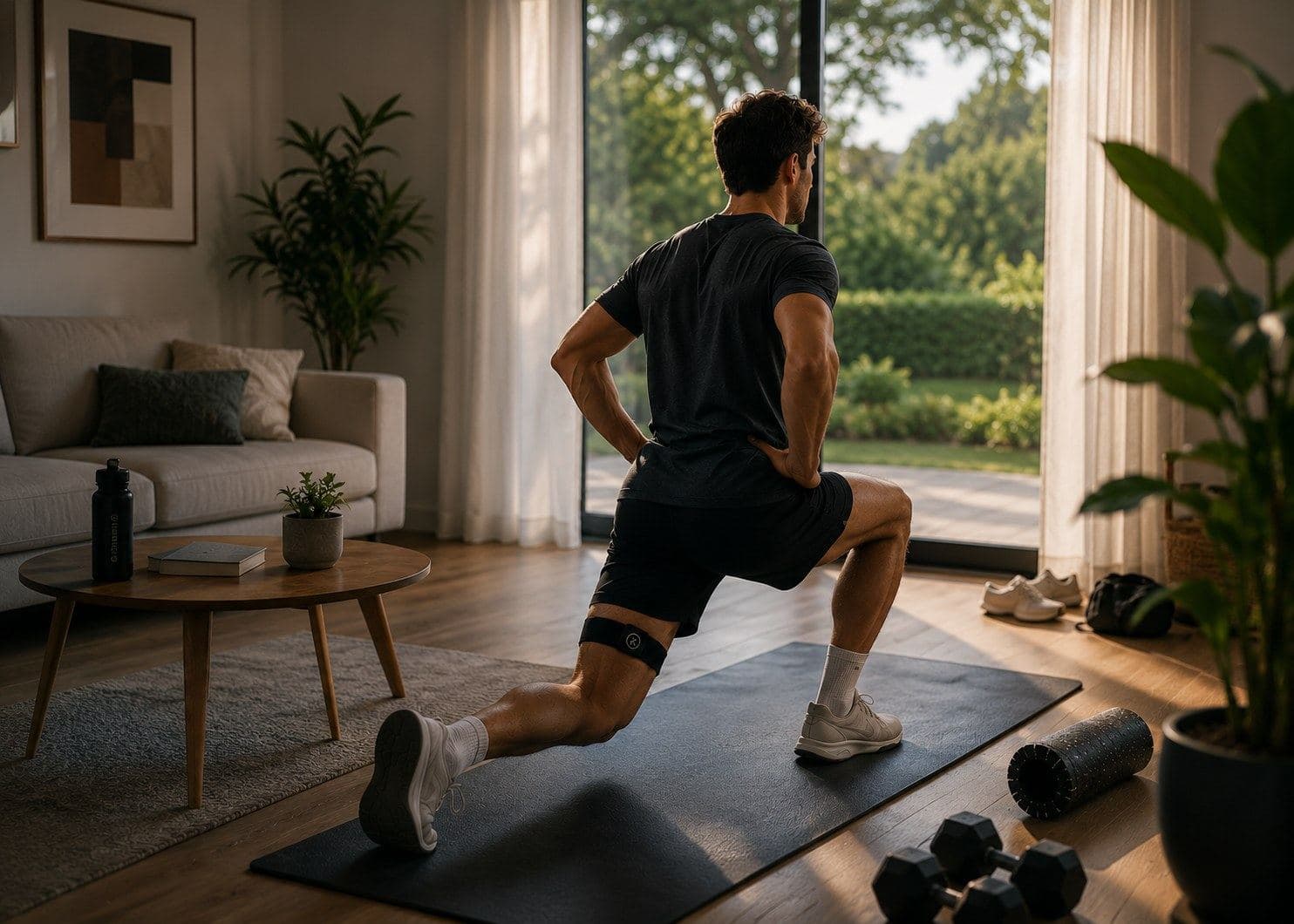
From assessment to programme, seamlessly.
Build a programme from what you measured. Exercises from the library or your own videos; sets, reps, rest times.
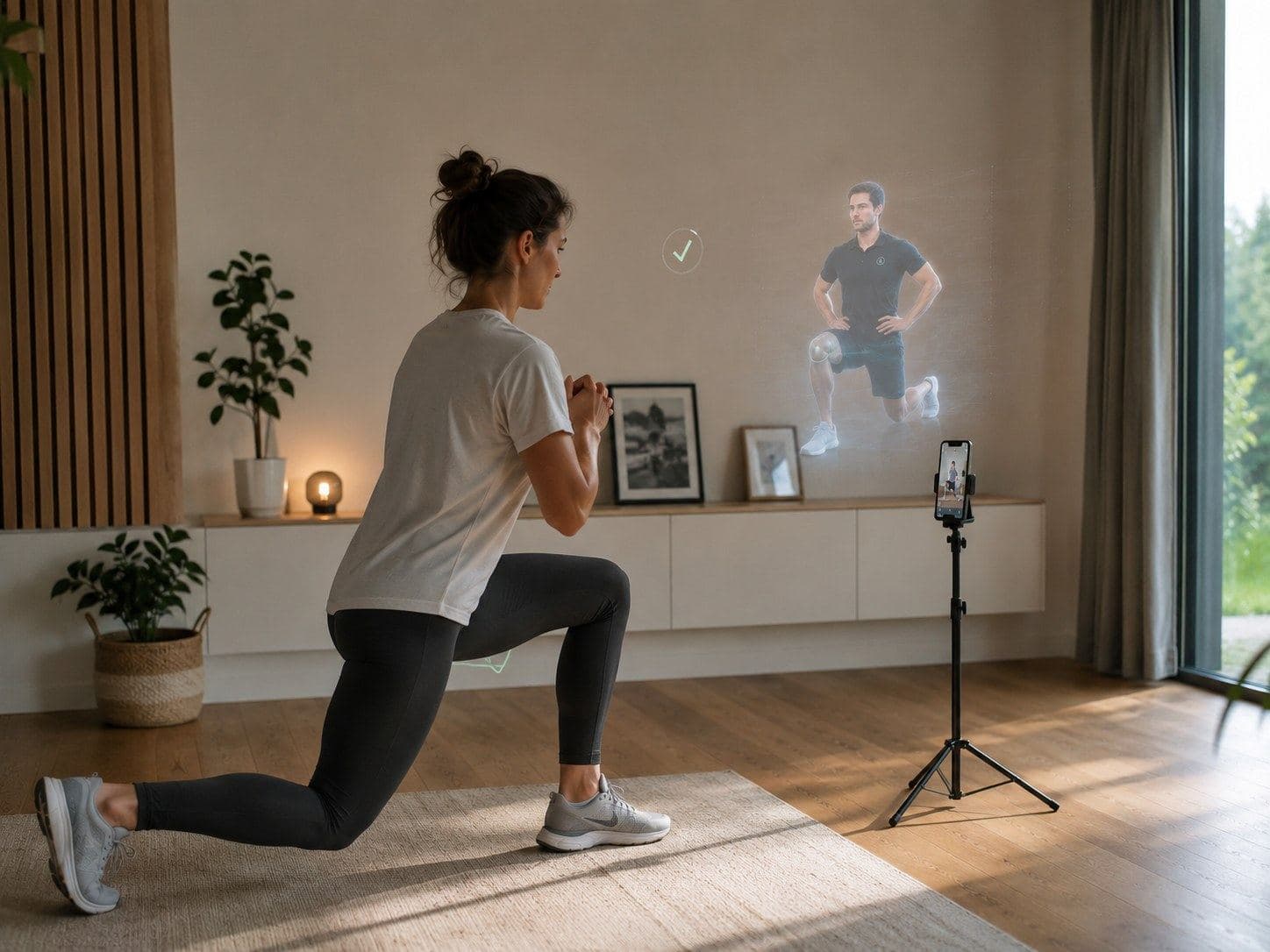
And it continues at home.
The programme goes to their phone, with video and timer. You see whether they do it and how they feel; the link and history stay in the record.
See it on your next assessment.
A 30-minute demo with an advisor.